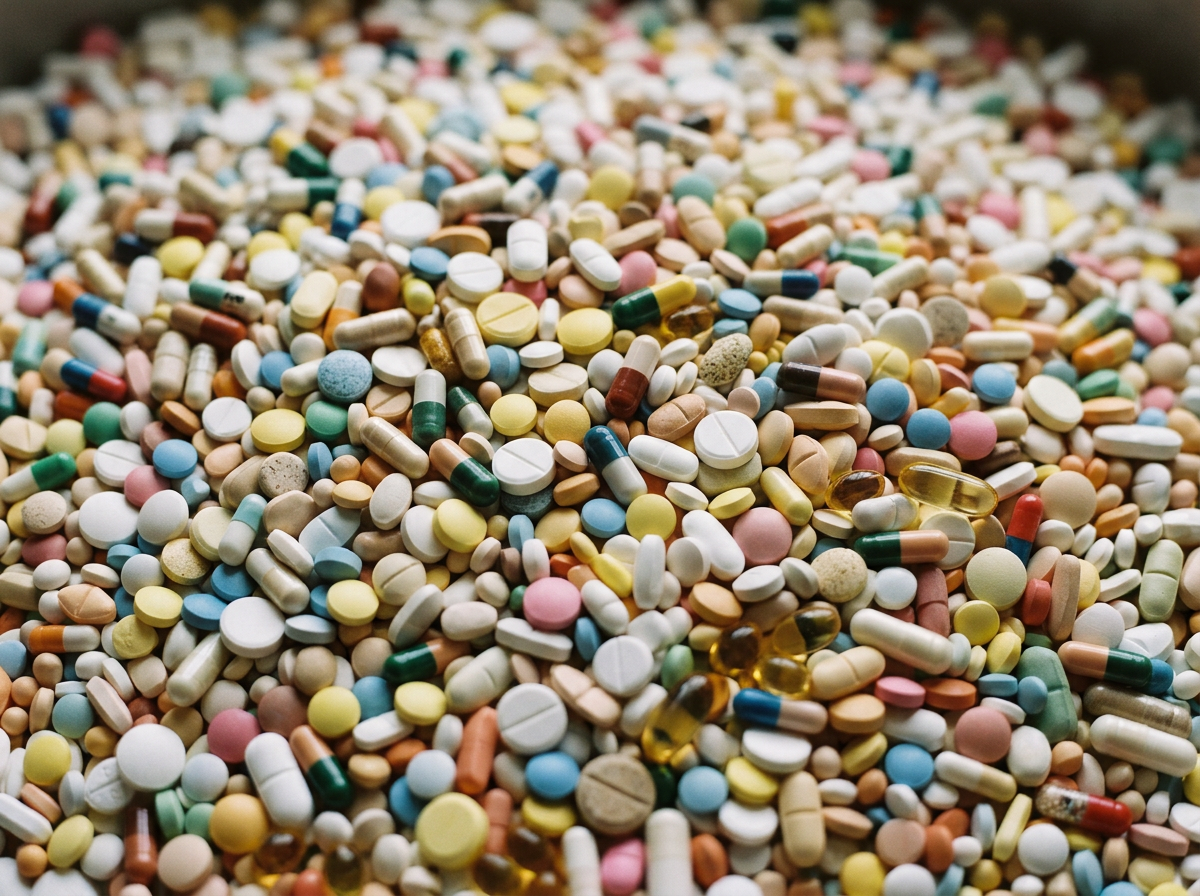
What if the medicines we've depended on for a century stopped working?
For millions of people...
they already have.
1.14 million
Deaths directly attributable to bacterial antimicrobial resistance worldwide in 2021.
4.71 million
Deaths associated with bacterial antimicrobial resistance in 2021.
GBD 2021 Antimicrobial Resistance Collaborators
Not because medicine didn't exist. Because the bacteria no longer responded to it.
Modern medicine was built on antibiotics.
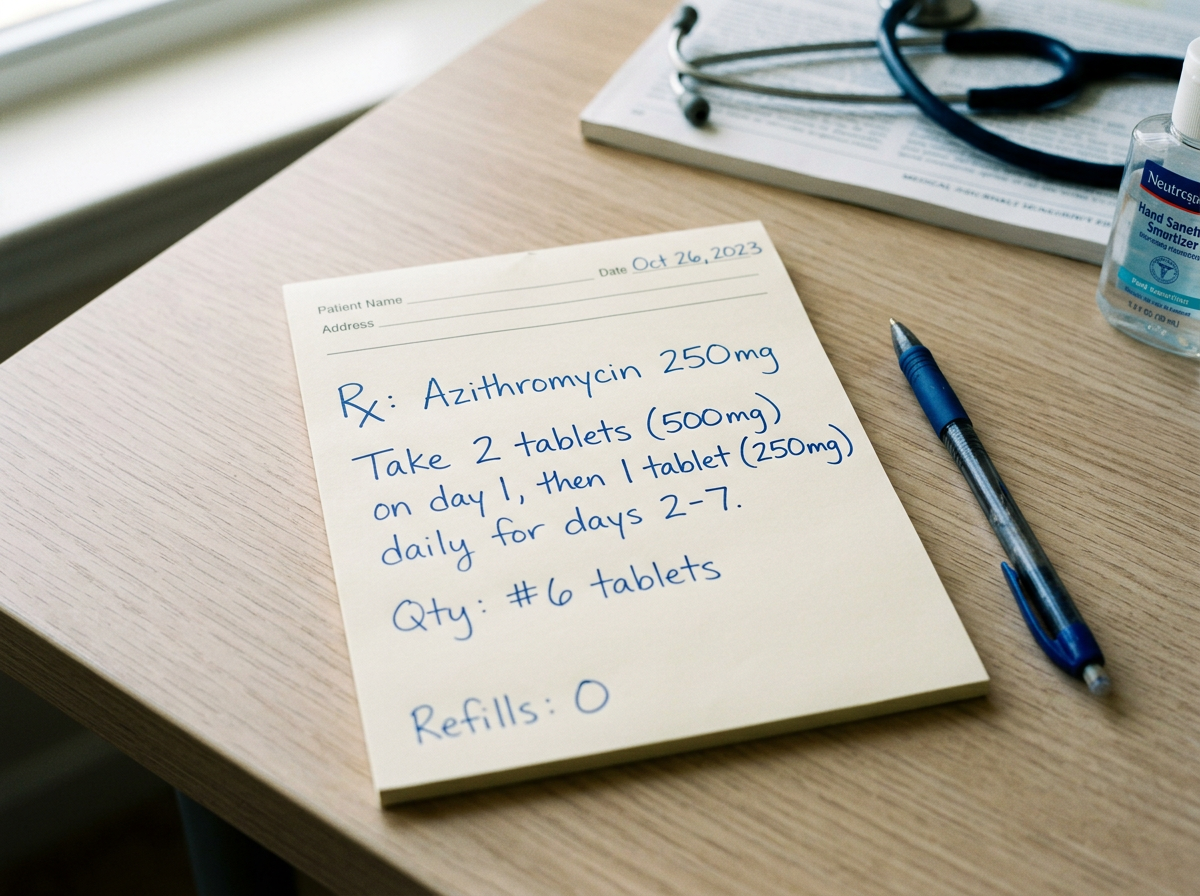
For generations, antibiotics transformed medicine. They made surgeries safer, protected premature babies, allowed organ transplants to succeed, and turned once-deadly infections into routine treatments.
Most of us assume those medicines will always work.
Until one day, they don't.
The world is quietly losing one of its greatest medical achievements.
39.1 million deaths are estimated to be directly attributable to bacterial resistance between 2025 and 2050.
Global Research on Antimicrobial Resistance (GRAM), The Lancet, 2024
I never imagined I would become part of that story.
What began as a persistent illness slowly became a journey through years of uncertainty, countless medical appointments, experimental science, and eventually one of the world's most promising - and least understood - medical therapies.
This website isn't simply about what happened to me.
It's about a much larger question that affects every one of us.
What happens when the medicines we've depended on for nearly a century stop working?
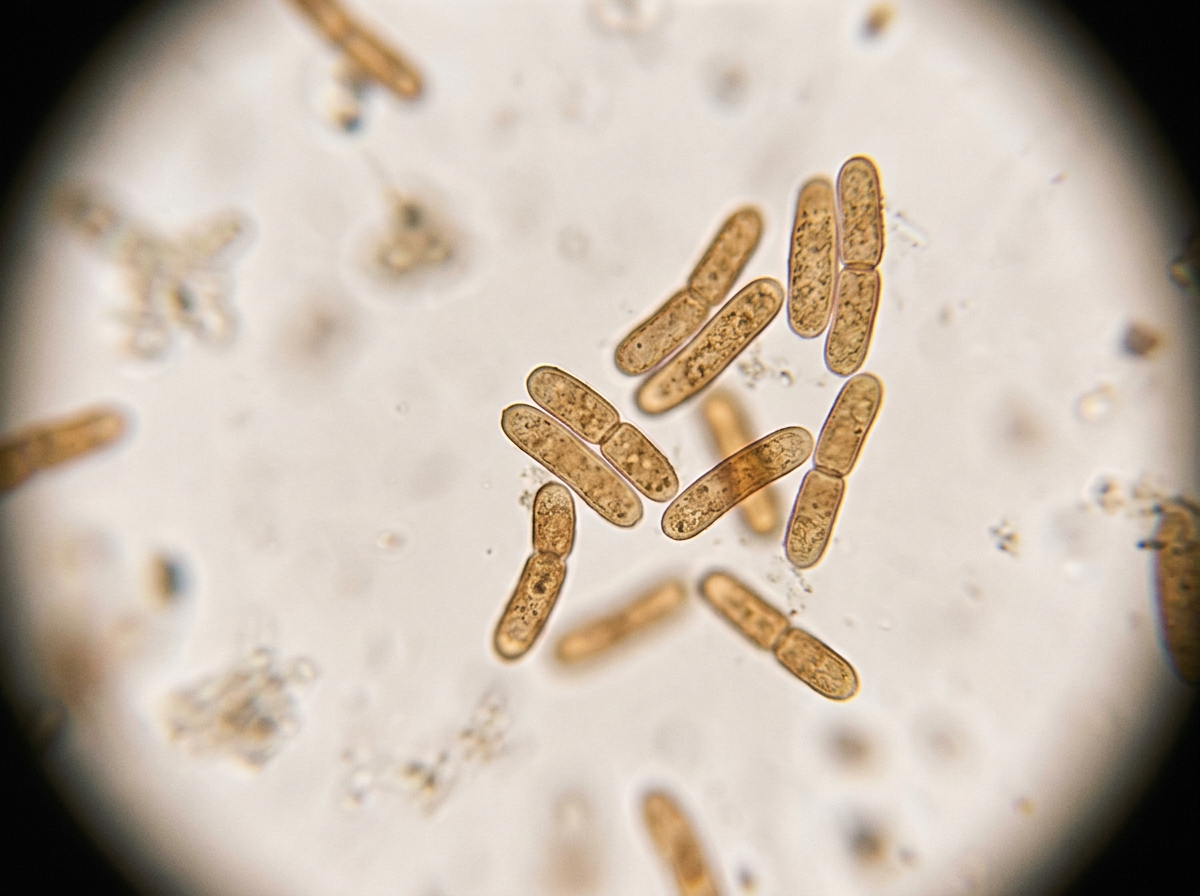
Bacteria are changing.
Every time bacteria survive an antibiotic...
the most resistant can remain.
Those survivors multiply.
Over time...
medicines that once cured infections can become less effective - or stop working altogether.
This isn't because antibiotics "fail."
It's because bacteria evolve.
“Antimicrobial resistance is one of the top global public health and development threats.”
Why should anyone care?
Because antimicrobial resistance doesn't only affect people with rare infections.
It affects every person who may one day need:
• Surgery
• Chemotherapy
• A C-section
• A joint replacement
• Intensive care
• Emergency trauma care
• Treatment for pneumonia
• Care after a serious accident
The question isn't whether you'll ever encounter antibiotic resistance.
The question is whether medicine will be ready when you do.
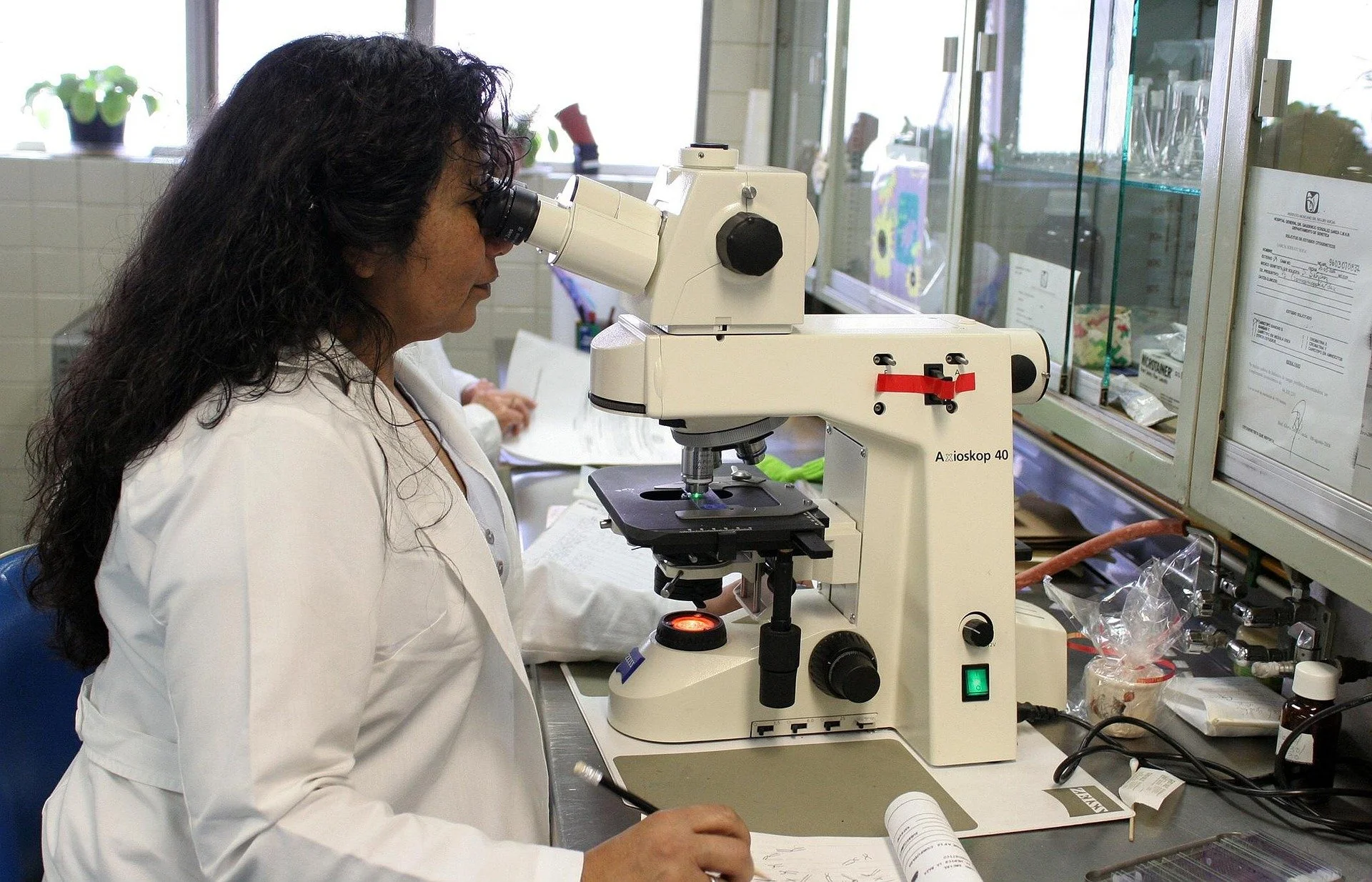
Around the world…
Scientists are racing against evolution.
Every day researchers are searching for new antibiotics.
New diagnostics.
New therapies.
New ways of thinking.
Because bacteria never stop adapting.
Neither can we.
One of those ideas...
is something called bacteriophage therapy.
This isn’t a story about losing hope.
It's about why hope matters.
For every resistant bacterium...
there is someone refusing to stop searching for an answer.
Why It Matters
Antimicrobial resistance isn't just a medical issue. It's an economic issue, a national security issue, a healthcare infrastructure issue, and a public policy issue. The decisions governments, researchers, healthcare systems, and industry make today will influence whether future generations continue to benefit from the life-saving advances that antibiotics made possible.