The most important question isn't whether medicine will change.
It's whether we can change it fast enough.
For generations, we've lived in a world where a bacterial infection usually came with an expectation:
There would be a drug for it.
An antibiotic.
Maybe another if the first didn't work.
And another after that.
For most of us, that system worked so well that we stopped thinking about it.
But bacteria never stopped changing.
Now medicine has to change with them.
This isn’t the end of antibiotics.
It's the beginning of needing more than antibiotics alone.
Antibiotics remain essential to modern medicine.
The challenge is preserving their effectiveness while developing additional ways to prevent, diagnose and treat infections.
Better antibiotics.
Better diagnostics.
Vaccines.
Phages.
New antimicrobial technologies.
Smarter combinations of existing treatments.
And approaches we haven't invented yet.
The future isn't one miracle drug.
It's a bigger toolbox.
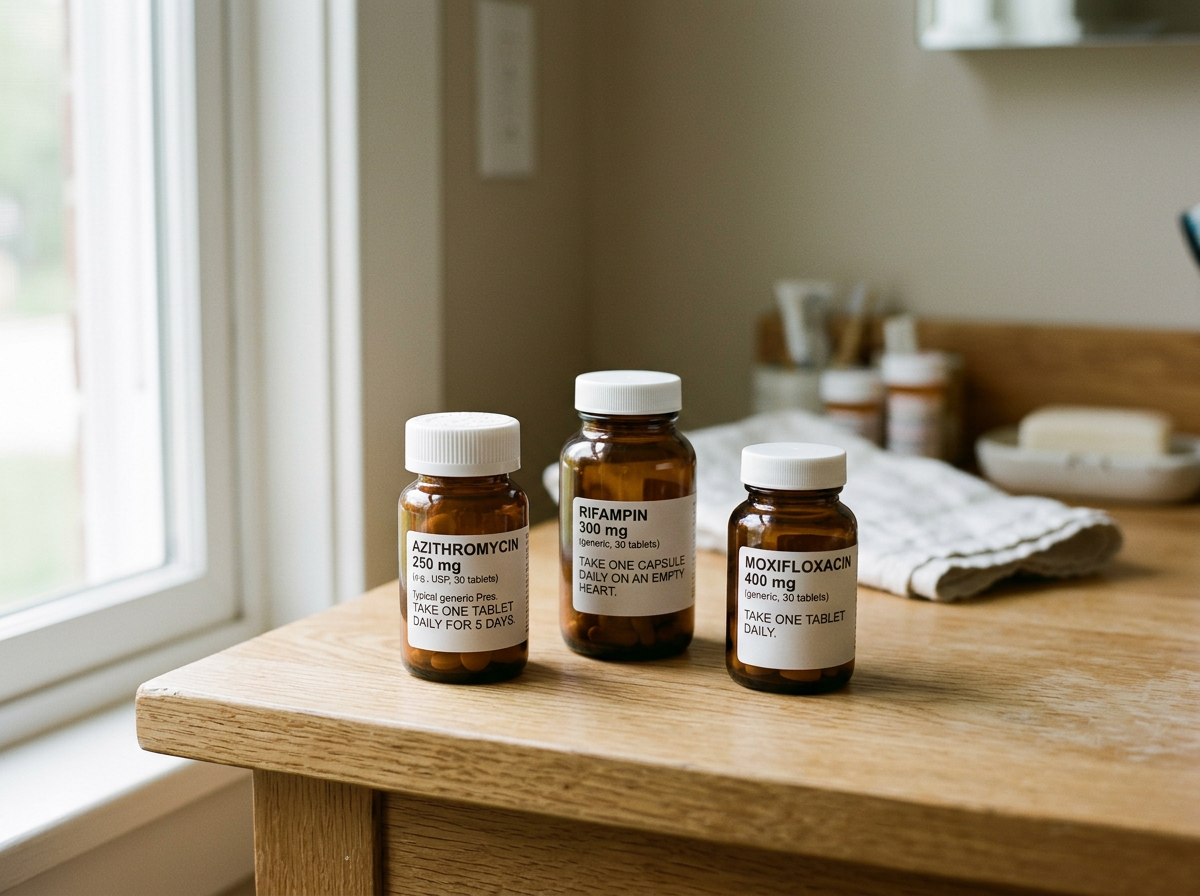
What if we could identify the enemy faster?
One of the most important battles against antimicrobial resistance begins before treatment.
It begins with knowing exactly what we're treating.
Traditional microbiology can take time.
And while physicians wait for answers, they sometimes have to make treatment decisions with incomplete information.
The future could look very different.
Faster diagnostics could help identify a pathogen - and potentially important resistance characteristics - sooner.
That could mean getting the right treatment to the right patient sooner, while reducing unnecessary antibiotic use.
Sometimes innovation isn't another medicine.
It's knowing what medicine to use.
What if treatment became more personal.
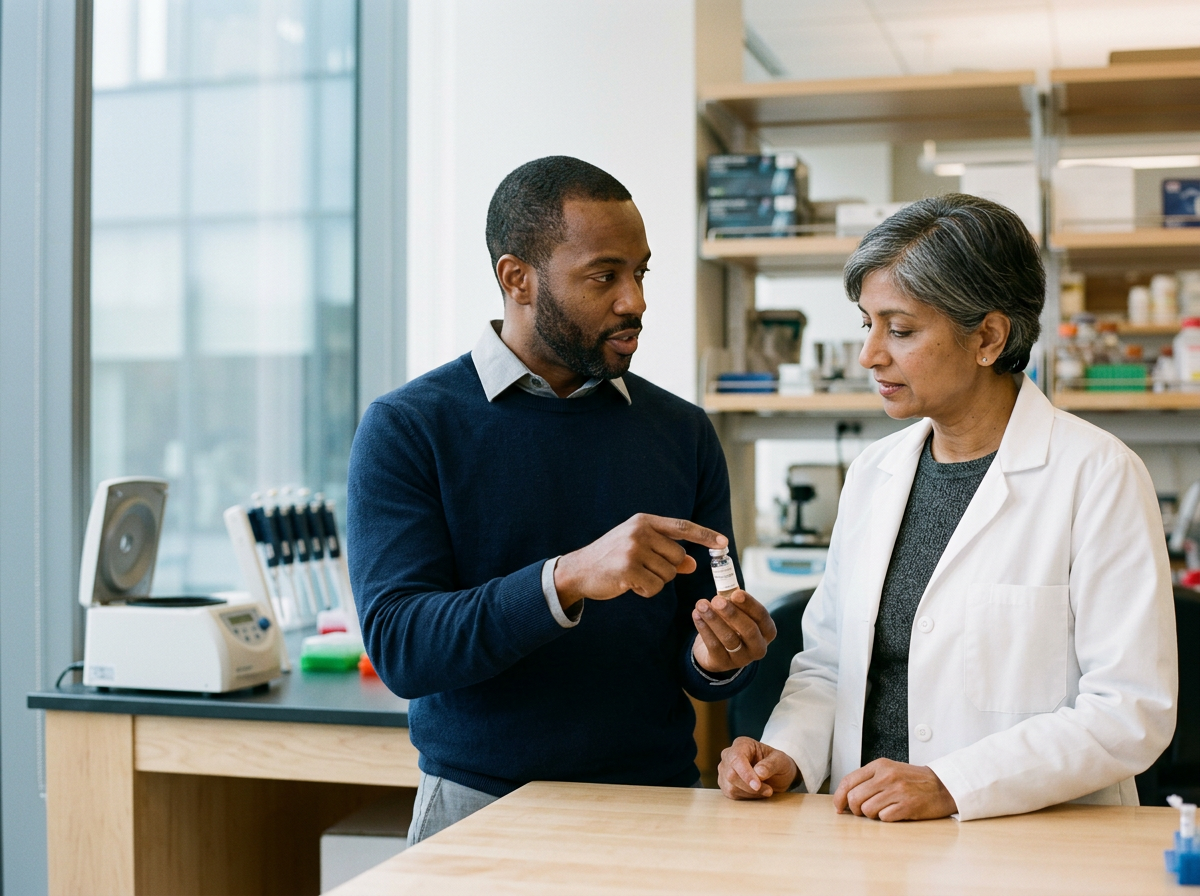
For much of modern medicine, we've developed drugs for populations.
Make a medicine.
Test it.
Manufacture millions of doses.
Prescribe it to everyone who fits the indication.
That model has saved countless lives.
But biology isn't always standardized.
Neither are infections.
The bacterium infecting one patient may respond differently from the bacterium infecting another.
Phage therapy introduces a fascinating possibility:
Treat not only the disease.
Treat the organism causing it.
In some cases, researchers can test phages against a patient's particular bacterial isolate and identify phages capable of targeting it.
That begins to move infectious disease toward something other areas of medicine are already embracing:
Precision medicine.
But personalization creates a new problem.
Our medical system wasn't built to manufacture a different treatment for every patient.
Think about what personalized phage therapy can require.
A patient's bacterium must be isolated.
Potential phages must be found or selected.
Their activity against that bacterium may need to be tested.
The phages must be characterized.
Produced.
Purified.
Quality controlled.
Delivered.
Regulatory requirements must be met.
Physicians, laboratories, researchers, manufacturers and regulators may all need to coordinate.
And meanwhile...
the patient is waiting.
So the challenge isn’t just discovery. It’s infrastructure.
Imagine a future where physicians confronting a difficult infection could access large, well-characterized collections of phages.
Where bacterial isolates could be screened rapidly.
Where manufacturing capacity already existed.
Where regulatory pathways were designed to accommodate therapies that may evolve or be personalized.
Where hospitals knew where to turn.
Where physicians knew whom to call.
Where researchers could learn systematically from every patient treated.
The scientific pieces of that future are being explored now.
The larger question is whether we can build the systems around them.
Because a breakthrough that can’t reach patients isn’t enough.
Discovery matters.
But so does access.
Manufacturing matters.
Regulation matters.
Funding matters.
Clinical trials matter.
Data sharing matters.
Physician education matters.
Public policy matters.
The future of medicine isn't created in a laboratory alone.
It requires an ecosystem.
That requires investment and legislation.
Individual patient stories can show us what's possible.
They can generate questions.
They can reveal signals.
They can point researchers toward something worth studying.
But they cannot tell us everything.
To move an investigational therapy toward routine medical care, researchers need rigorous evidence.
Who benefits?
Who doesn't?
Which infections?
Which phages?
What dose?
What route?
How often?
For how long?
In combination with which antibiotics?
What happens when bacteria develop resistance to the phage?
What does the immune system do?
What are the risks?
And ultimately:
Does it work?
Those questions require carefully designed research and clinical trials.
Hope can start the conversation.
Evidence has to carry it forward.
That may be one of the most important opportunities we have.
Every patient treated through an investigational pathway represents more than an individual medical experience.
There is an opportunity to learn.
What worked.
What didn't.
How the bacteria responded.
How the patient's immune system responded.
How phages and antibiotics interacted.
What changed over time.
What should be done differently next time.
One patient's experience cannot establish whether a therapy works.
But systematically learning from patients can help researchers ask better questions—and design better studies.
The future advances when experience becomes evidence.
Then there’s the question of access.
Right now, phage therapy is not routine medical care in the United States.
For some patients with serious infections who have exhausted all other alternatives, investigational treatment may sometimes be pursued through clinical trials or FDA Expanded Access.
That can involve extraordinary effort.
Physicians willing to pursue it.
Scientists willing to search.
Institutions willing to collaborate.
Regulatory work.
Manufacturing.
Time.
Persistence.
And often a patient or family trying to navigate all of it while seriously ill.
If phage therapy ultimately proves useful for particular infections, one of the great challenges will be turning something extraordinary into something ordinary enough to access when it's needed.
The clock is already ticking.
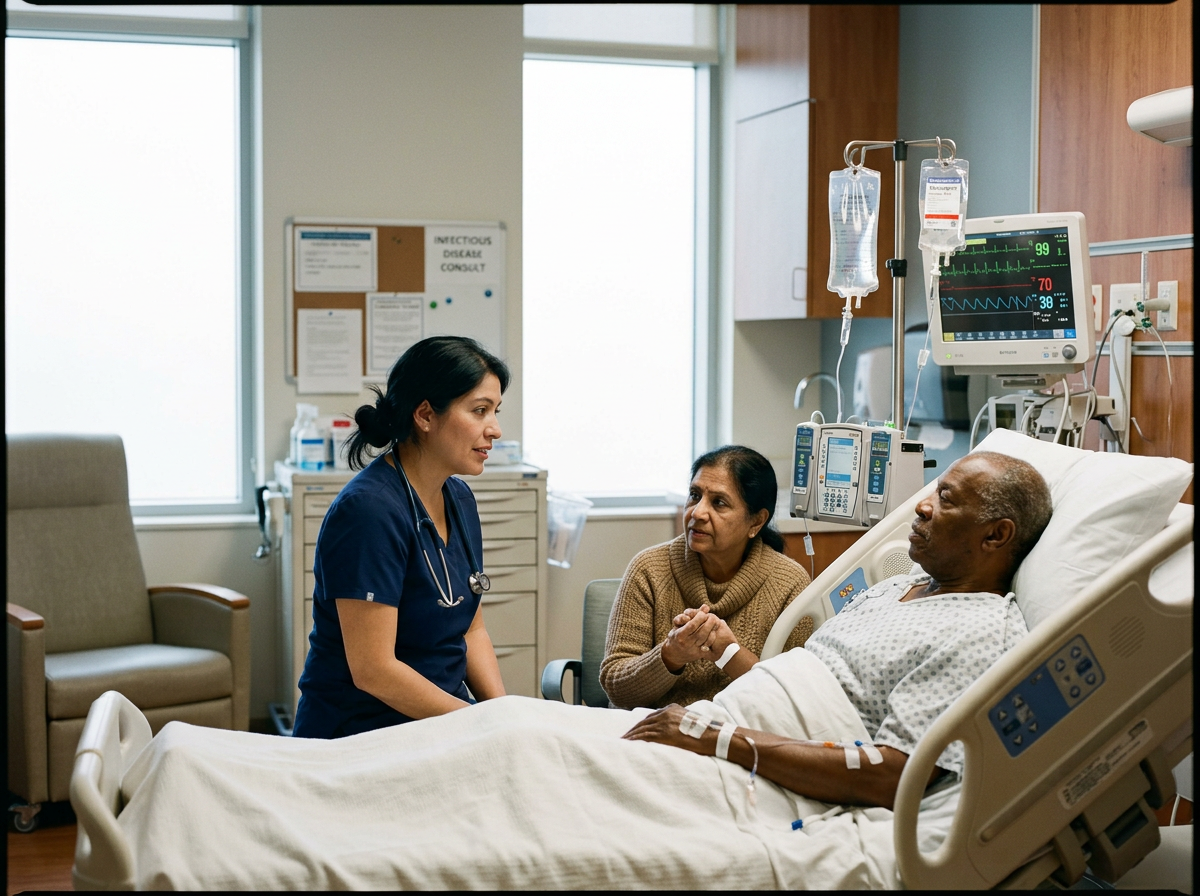
Antimicrobial resistance is happening now.
People are already developing infections that are harder to treat.
Physicians are already confronting organisms resistant to multiple drugs.
Researchers are already searching for alternatives.
The question isn't whether we should begin preparing for a post-antibiotic future someday.
The work has already begun.
Will phages become part of that toolbox?
We don't know that yet.
And I think that's important to say.
Phage therapy may ultimately prove transformative for some infections.
It may become one tool among many.
It may work extraordinarily well in certain circumstances and poorly in others.
Science will answer those questions.
But phages represent something bigger than any single therapy.
They represent a willingness to reconsider what is possible when the tools we've depended upon are no longer enough.
That future is compelling.
Not medicine without antibiotics.
Medicine with more options.
Not one treatment for everyone.
More precise treatment when precision matters.
Not experimental therapies operating forever at the margins.
Systems capable of studying promising ideas rigorously and moving the ones that work toward patients faster.
Not patients desperately searching the internet for someone - anyone - who might know what to do next.
A medical system prepared for the infections we're going to face.
And maybe….
One day, a patient will develop an infection that doesn't respond to the first antibiotic.
Or the second.
Their physician will run a test.
Identify the organism.
Understand its resistance.
Search available treatments.
And have options.
Maybe one of those options will be a phage.
Maybe it won't.
But there will be something else to try.
And perhaps that patient will never know how extraordinary that once was.
My story is still being written.
I'm still receiving treatment.
Scientists are still learning.
Researchers are still asking questions.
New trials are underway.
New phages are being discovered.
New patients are entering this world every day.
And somewhere, right now, someone is hearing the same kind of words that changed my life.
They don't know yet where their story will lead.
Neither do I.
So this isn’t the end of the story.
It’s where we catch up to the present.
The science continues.
My journey continues.
And I'm documenting both as they unfold.